


Diesel Truck Lift Pumps: What They Do & Why You Need One

Everything You Need to Know About Diesel Truck Lift Pumps
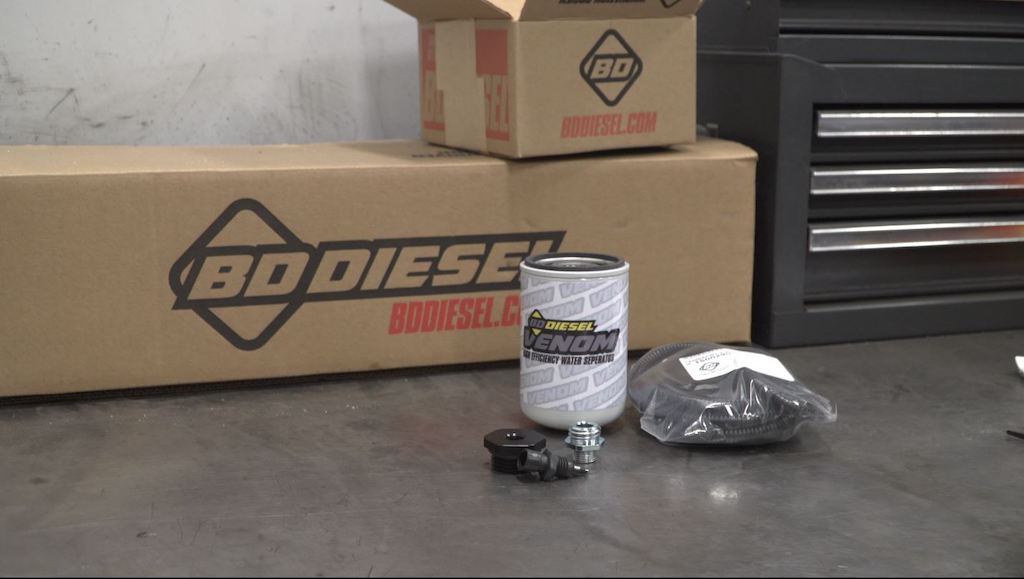
Quick Answer: What does a lift pump do on a diesel truck?
A lift pump moves fuel from the tank to the engine’s fuel system and helps maintain consistent fuel supply and pressure under load. On many diesels, it also feeds (and protects) the high-pressure injection pump by preventing fuel starvation, aeration, and contamination—especially when towing, running bigger injectors/tuning, or driving with a low tank.
If you own a diesel truck, you’ve probably heard people talk about lift pumps. A lift pump is a device that helps deliver fuel from the fuel tank to the engine. It’s a critical component because diesel engines rely on a steady supply of clean fuel—especially when you’re towing, hauling, or running power upgrades that increase fuel demand.
Jump to:
- What is a diesel lift pump?
- Why lift pumps matter (and what they protect)
- Symptoms of a weak or failing lift pump
- Lift pump types (gerotor, vane, diaphragm, in-tank vs frame-rail)
- Fuel pressure vs fuel flow (what you actually need)
- How to choose the right lift pump for your truck
- How to maintain a diesel lift pump properly
- FAQs
- Videos
What Is a Diesel Lift Pump?
A lift pump is the “supply side” fuel pump that delivers fuel from the tank to the rest of the fuel system. Depending on the truck, it may feed a filter/water separator first, then supply fuel to the injection pump or common-rail system. On many platforms, the lift pump’s job is to keep fuel delivery steady and free of air under all conditions.
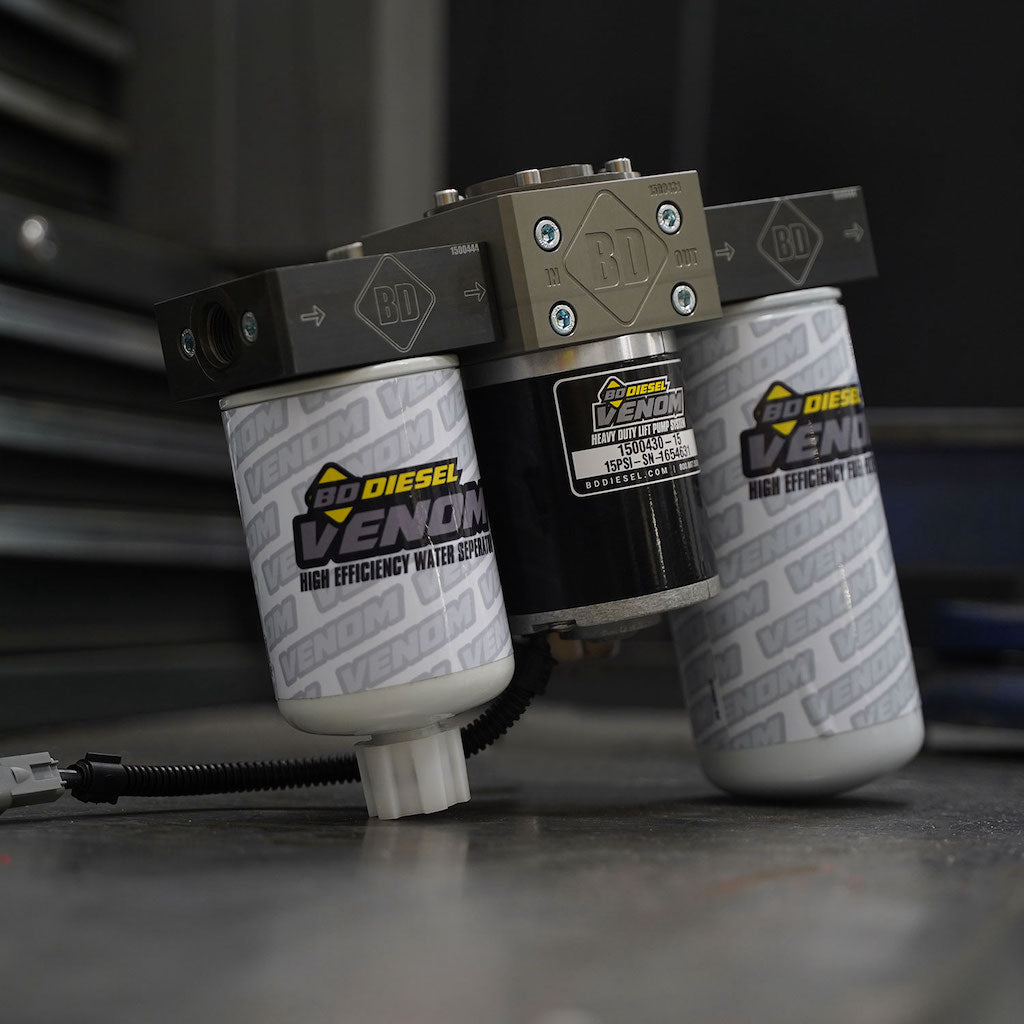
Why Lift Pumps Matter (and What They Protect)
A healthy lift pump does more than “move fuel.” It helps prevent conditions that are hard on expensive components:
- Injection pump protection: Fuel starvation (low supply) can increase wear and heat in high-pressure pumps.
- Reduced aeration: A weak pump can allow bubbles/air into the fuel, causing rough running and unstable pressure.
- Cleaner fuel delivery: A good pump paired with quality filtration helps keep contaminants out of injectors and pumps.
- Consistent performance under load: Towing and wide-open throttle demand more fuel. A lift pump helps keep up.
Symptoms of a Weak or Failing Lift Pump
Lift pump problems don’t always show up as a dramatic “no start.” Often it starts as subtle fuel-supply instability. Common signs include:
- Hard starts (especially after sitting) or extended crank
- Hesitation under load, surge, or inconsistent power
- Loss of top-end power (feels like it “runs out of fuel”)
- Excess smoke or hotter-than-normal EGT under tow (depending on tune/conditions)
- Fuel pressure drops at WOT or while climbing grades
- Noisy pump or intermittent pump operation (electric setups)
Lift Pump Types (Gerotor, Vane, Diaphragm, In-Tank vs Frame-Rail)
Lift pumps come in a few common designs. One popular style is the gerotor pump, a positive displacement pump that uses two gear-like rotors (with different tooth counts) to create a continuous flow as fuel is trapped and carried through the housing.

| Type | Where you’ll see it | Strengths | Watch-outs |
|---|---|---|---|
| Gerotor | Many aftermarket/frame-rail systems | Strong flow, stable supply, good for performance/tow demand | Needs good filtration; avoid running dry |
| Vane | Some OEM and aftermarket systems | Good flow/pressure in compact packaging | Can be sensitive to contamination |
| Diaphragm (mechanical) | Older diesels (mechanical injection era) | Simple, reliable, easy service | Limited flow for big power demands |
| In-tank electric | Common on modern platforms | Quiet, pushes fuel (often helps prevent cavitation) | Tank access for service; OEM flow may be limiting with mods |
| Frame-rail / external | Many upgrade kits | Easier access; can integrate filtration/separation | Mounting, plumbing, and sealing matter |
Fuel Pressure vs Fuel Flow (What You Actually Need)
When shopping for a lift pump, don’t get trapped by one number. You need the right flow for your horsepower goals, and enough pressure stability to prevent starvation at high load.
Simple way to think about it:
- Flow = how much fuel can be supplied (especially at WOT / towing)
- Pressure = how stable the supply is to feed the next stage without cavitation/aeration
- Filtration + water separation = how clean and consistent the fuel stays over time
How to Choose the Right Lift Pump for Your Truck
When looking for a lift pump, consider engine size, use case, and power level. A stock daily driver has different needs than a tuned tow rig or higher horsepower build.
- Stock / mild tune: Prioritize reliability, clean filtration, stable supply, and easy maintenance.
- Towing / heavy load: Prioritize pressure stability under long pulls and high heat; strong filtration and water separation are key.
- Upgraded injectors / bigger turbo / high HP: You need more flow capacity to keep rail pressure and fueling consistent.
Are Diesel Lift Pumps Worth It?
Absolutely. Lift pumps help ensure the engine receives consistent, clean fuel, which can support performance and efficiency. A well-maintained lift pump and filter assembly can also help extend the life of your diesel engine’s injection pump.
Can You Use a Gas Lift Pump for Diesel?
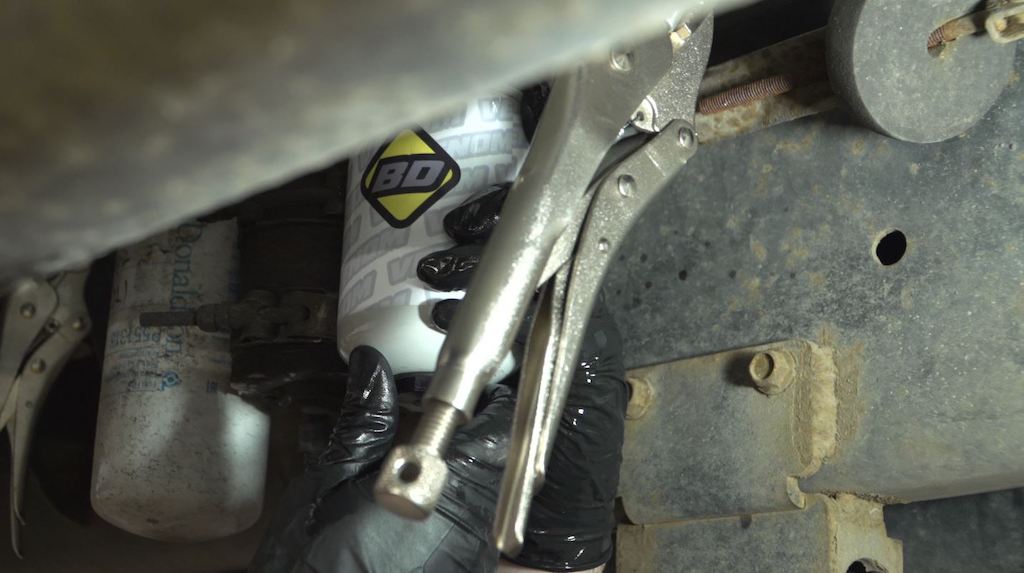
No. Gasoline and diesel have different properties. A gasoline pump typically isn’t designed for diesel’s viscosity and lubrication characteristics, and can wear out quickly or clog. Use a pump designed for diesel fuel systems.
How to Maintain Diesel Truck Lift Pumps Properly
Proper maintenance is essential for keeping your diesel truck lift pump running smoothly. Here are practical, real-world maintenance habits:
- Regularly inspect for leaks and cracks in fuel lines, fittings, and seals.
- Keep fuel filters clean and replace on schedule (sooner in dirty fuel conditions).
- Clean the pump and surrounding area so you can spot seepage early.
- Check lift pump pressure (especially under load) if you have a gauge or monitor.
- Use high-quality fuel to reduce contamination and injector wear.
- Ensure water separators are drained regularly (water is a fuel-system killer).
- Avoid running the tank extremely low—low fuel can increase aeration and heat in the supply system.
Do All Diesels Have Lift Pumps?
Not all diesels have a separate external lift pump, but all will have some method of transferring fuel. Some injection pumps include a small gear pump that draws from the tank. Others use in-tank electric pumps. The exact method varies by platform and model year, so consult your manual or service information for your engine.
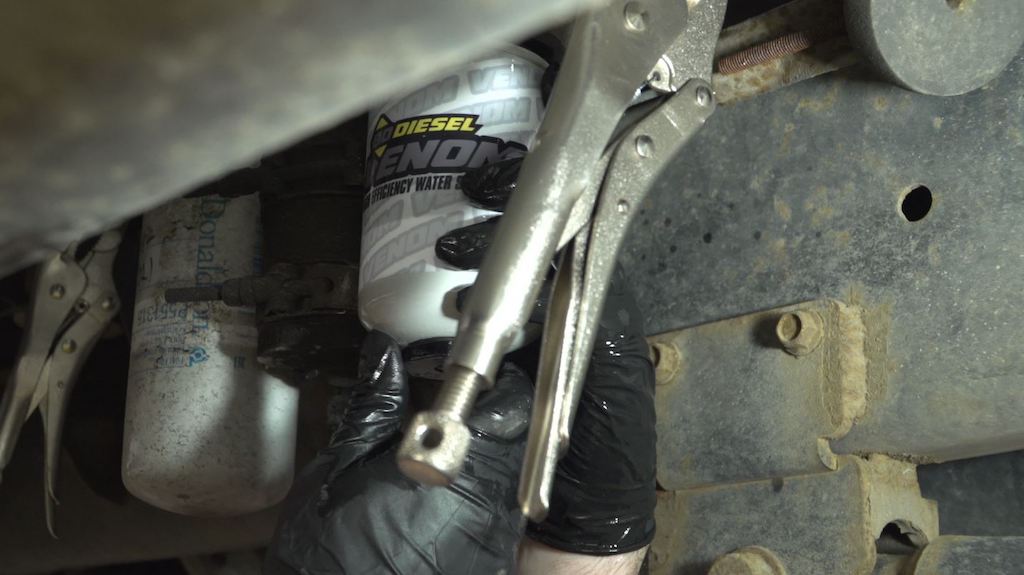
FAQ: Diesel Truck Lift Pumps
Does a lift pump add horsepower?
A lift pump doesn’t “make” horsepower by itself, but it can support power by preventing fuel starvation and pressure drop under load— especially on tuned or higher-demand setups.
Will a lift pump improve fuel economy?
It can if your truck currently suffers from fuel supply instability (pressure drops, aeration, restriction). On a healthy stock system, the bigger benefit is protection and consistency.
How do I know if my lift pump is failing?
Common clues include hard starts, hesitation, pressure drops under load, inconsistent power, or unusual pump noise. A fuel pressure gauge or log data under load is one of the best ways to confirm.
What’s more important: lift pump or filtration?
They work together. The pump supplies fuel; filtration keeps it clean and water-free. For long-term reliability, a complete system with robust filtration and water separation is ideal.
At the end of the day, lift pumps are essential components of diesel fuel systems. Combined with proper filtration, they help deliver consistent fuel supply and can support long-term reliability. Explore lift pump options here: BD Diesel Lift Pumps.
Videos
Venom Fuel Lift Pump - Now for Ford 6.4L Powerstroke
Optimize your Fuel Flow! Support up to 900HP with Dodge 5.9L/6.7L VENOM Fuel Pump